Post-Surgical Pain Management After Oral Surgery: What Patients Should Know
Posted 10/22/2026 in Oral Surgery

Take a Soft Landing Into Recovery: Non-Opioid Pain Management After Oral Surgery
Whether you’re getting a dental implant, a bone graft, or corrective jaw surgery, one question almost always comes up before surgery day: How much is this going to hurt afterward?
Pain relief after surgery isn’t one size fits all, and your plan shouldn’t be either. At Carolinas Center for Oral & Facial Surgery, your pain management plan starts well before you head home. For many patients, it starts before you even wake up.
You Have a Say in Your Post-Surgical Pain Plan
The first few days after oral surgery are usually the toughest, when swelling and discomfort peak. A good pain plan helps you get through them so you can rest, eat, and heal.
Your surgeon may combine several tools to keep you comfortable:
- A long-acting, non-opioid injection given during surgery, like Exparel®
- Over-the-counter pain relievers such as ibuprofen and acetaminophen
- Ice therapy to reduce swelling
- Prescription pain medication, including opioids, only when needed
Opioids can be an effective part of some recovery plans, but they aren’t the only option. They can also come with side effects like nausea, constipation, drowsiness, and a risk of dependence. That’s why many patients now ask about non-opioid options before surgery, and why we encourage that conversation.
What Is Exparel?
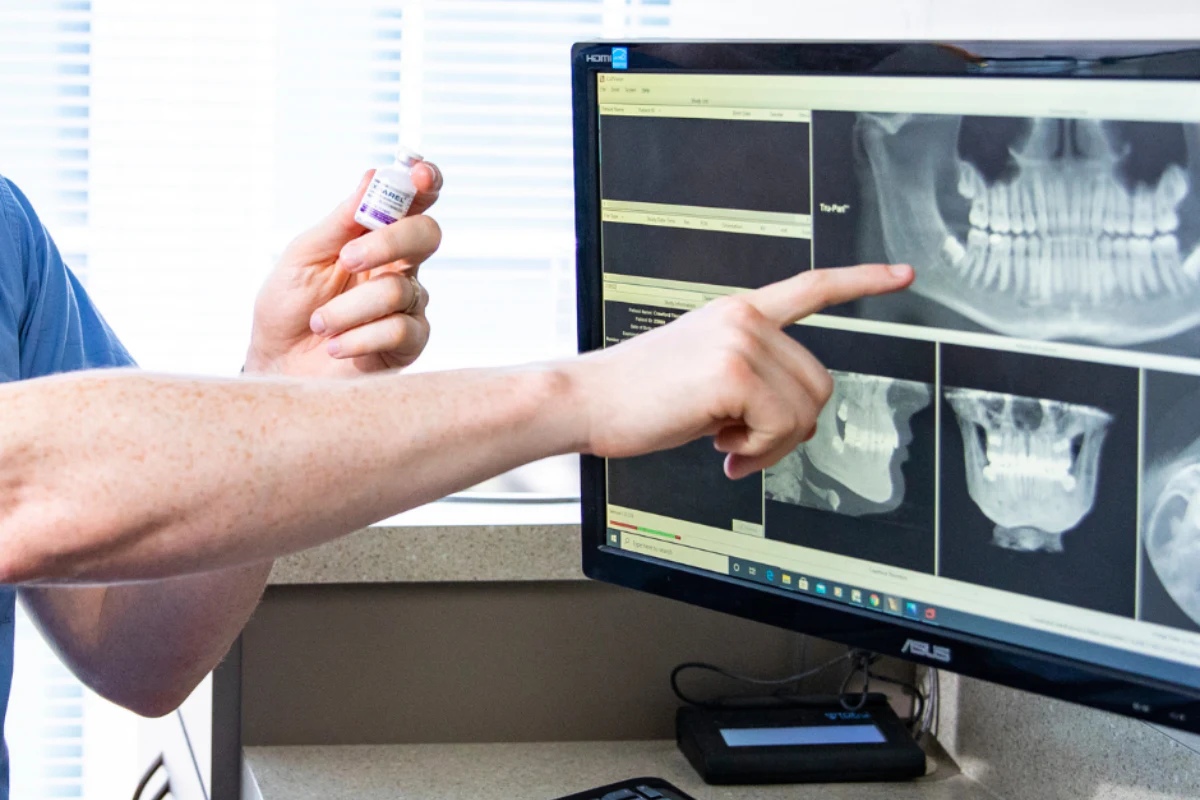
Exparel (bupivacaine liposome injectable suspension) is a long-acting, non-opioid local anesthetic. Your oral surgeon gives it once, directly at the surgical site, during your procedure.
Standard numbing medications like lidocaine wear off within a few hours. Exparel is designed to keep working through the days that follow.
How Exparel Works: Release, Achieve, Maintain
Exparel uses a slow-release technology that works in three steps:
- Release: The numbing medication, bupivacaine, is released gradually over the toughest days of recovery.
- Achieve: Pain is controlled right at the surgical site, where it’s needed most.
- Maintain: Relief lasts for up to 72 hours, helping you stay ahead of pain instead of chasing it.
Since it’s given once during surgery, you won’t have an extra medication schedule to track at home. Many patients who receive Exparel manage their recovery with ibuprofen or acetaminophen alone.
Not Just for Wisdom Teeth
Exparel is often discussed for wisdom teeth removal, but it can be used in a wide range of oral and maxillofacial procedures, including:
- Dental implant surgery, including single implants and full-arch treatment
- Bone grafting, which often comes before implant placement
- Corrective jaw surgery
- TMJ surgery
- Reconstructive and facial procedures
- Complex extractions
For bigger procedures like jaw surgery or full-arch implants, patients often face longer, more demanding recoveries. Long-acting relief during the first few days can make a real difference. Your surgeon will decide whether Exparel is right for your procedure and health history.
Part of Our Full Anesthesia Plan
Exparel works alongside the anesthesia you receive during surgery, whether that’s local anesthesia, nitrous oxide, IV sedation, or general anesthesia. Sedation keeps you comfortable during the procedure. Exparel helps carry that comfort into recovery.
With our board-certified oral and maxillofacial surgeons, a board-certified anesthesiologist, and certified registered nurse anesthetists (CRNAs) on our in-house team, your comfort plan is coordinated from your first dose of anesthesia through your first days at home. Learn more about our anesthesia and sedation options.
What to Expect After Surgery With Exparel
- Lasting numbness is normal. You may notice temporary numbness or reduced movement near the surgical site that can last up to 5 days, depending on where and how much medication was used.
- Hold off on other numbing shots. Avoid other local anesthetics for 96 hours after surgery. If you have a dental appointment that week, let that office know you received Exparel.
- Know the common side effects. The most commonly reported side effects include nausea, constipation, and vomiting.
- Keep up your aftercare. When pain is under control, it’s easier to follow recovery instructions: resting, staying hydrated, eating soft foods, and keeping your follow-up visits.
You Can Call the Shots: How to Talk to Your Surgeon
If a non-opioid approach matters to you, bring it up early. Here’s how:
- Start the conversation early, during your consultation or pre-surgical visit
- Share your goals, whether that’s fewer medications, getting back to work sooner, or avoiding opioids completely
- Voice any concerns about opioids, including past side effects or personal or family history
- Ask your surgeon about Exparel and whether it fits your procedure
Be sure to tell your surgeon if you have liver or kidney problems, are pregnant, or are allergic to any ingredients in Exparel.
Take a Soft Landing Into Recovery
Surgery is one step. Recovery is where you get back to eating, talking, working, and feeling like yourself again. At Carolinas Center for Oral & Facial Surgery, we’ll take the time to understand your concerns, explain your options, and build a pain plan that helps you get through the toughest days of recovery.
Request an appointment or find a location near you to talk with an oral surgeon about your pain management options.
Important Safety Information
Exparel is indicated to produce postsurgical local analgesia via infiltration in patients aged 6 years and older, and regional analgesia in adults via certain nerve blocks. Exparel should not be used in obstetrical paracervical block anesthesia. It should not be injected into the spine, joints, or veins. The active ingredient can affect the nervous and cardiovascular systems, may cause an allergic reaction, and can cause a rare blood disorder (methemoglobinemia). Seek immediate medical attention if you experience pale, gray, or blue skin; headache; rapid heart rate; shortness of breath; lightheadedness; or fatigue. Exparel can cause temporary loss of feeling and/or muscle movement that may last up to 5 days. For full Important Safety Information and Prescribing Information, visit exparel.com/risks or call 1-855-793-9727. Only your surgeon can determine if Exparel is right for you.
FAQs About Exparel


Related Blogs

Oral Surgery

Oral Surgery
Wisdom Teeth Can Make Other Dental Problems More Complicated
August 21, 2026

Oral Surgery

Oral Surgery