PRF vs. PRP: Understanding Advanced Healing Technology in Oral Surgery
Posted 6/16/2026 in Oral Surgery

Whether you’re having a tooth removed, receiving a dental implant, or undergoing a more complex surgical procedure, healing is an important part of the process. In some cases, oral surgeons may use regenerative materials known as Platelet-Rich Fibrin (PRF) or Platelet-Rich Plasma (PRP) to help support the body’s natural healing response.
These treatments use your body’s own natural healing components to help support tissue repair, reduce complications, and improve recovery after procedures such as tooth extractions, dental implants, bone grafting, and more.
At Carolinas Center for Oral & Facial Surgery, our surgeons utilize advanced techniques designed to optimize healing and provide the best possible outcomes for our patients.
Understanding PRF & PRP
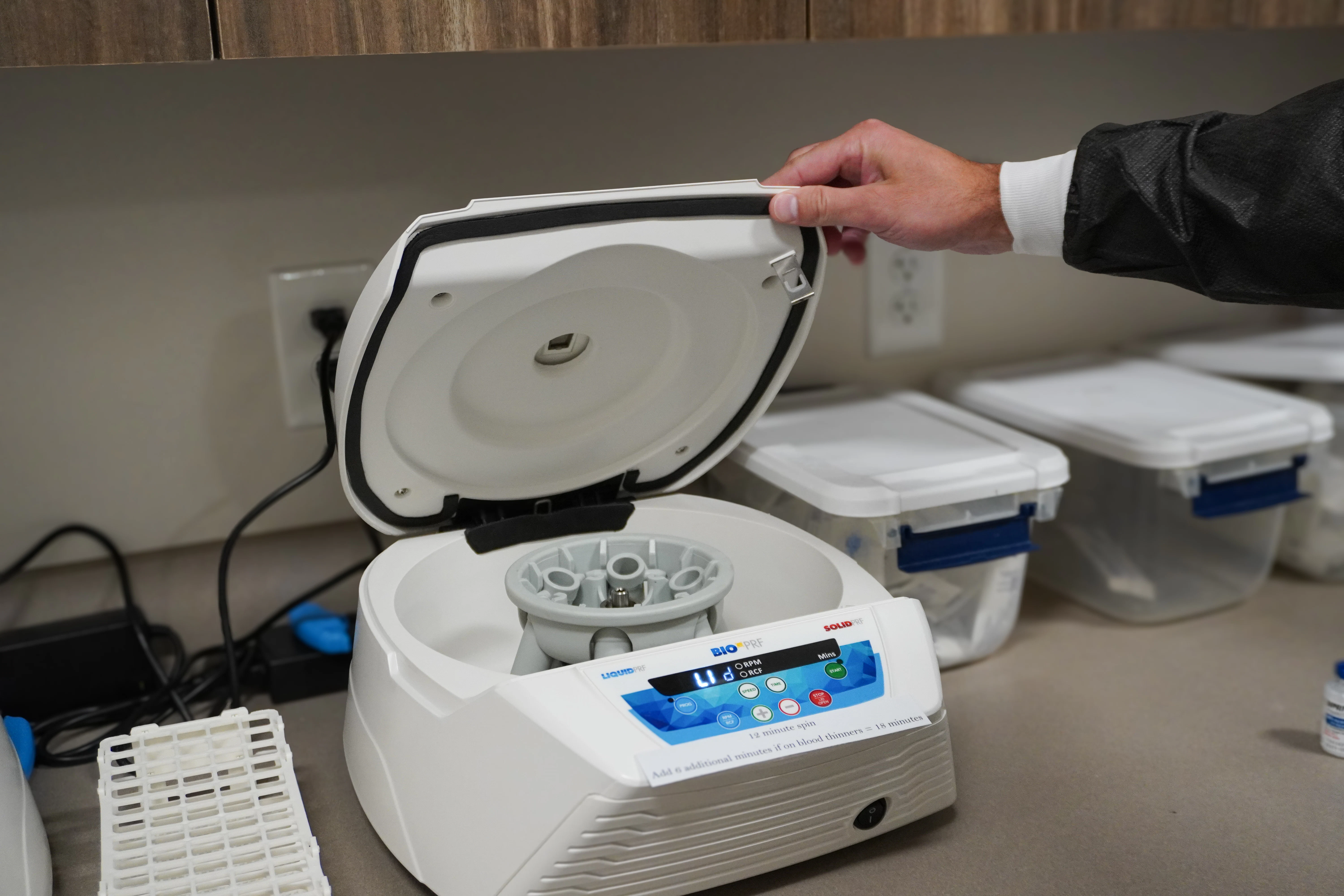
Both PRF and PRP are derived from a small sample of the patient’s own blood. The blood is processed in a centrifuge, which separates and concentrates beneficial healing components such as platelets, growth factors, and proteins.
While PRF and PRP share similar goals, they are prepared differently and function somewhat differently once applied.
What Is Platelet-Rich Fibrin (PRF)?
Platelet-Rich Fibrin, or PRF, is considered a next-generation regenerative treatment. It contains a concentrated mixture of platelets, white blood cells, cytokines, and growth factors suspended within a natural fibrin matrix.
According to Dr. John Wessel, oral surgeon in Rock Hill, SC, “It’s loaded with lots of good stuff…all the important components to start the healing process off on the right foot.”
Unlike PRP, PRF does not require additives or anticoagulants during preparation. The resulting fibrin matrix creates a scaffold that slowly releases healing factors over time, helping support tissue regeneration and bone healing.
How PRF Is Prepared
The process is simple and performed during your appointment:
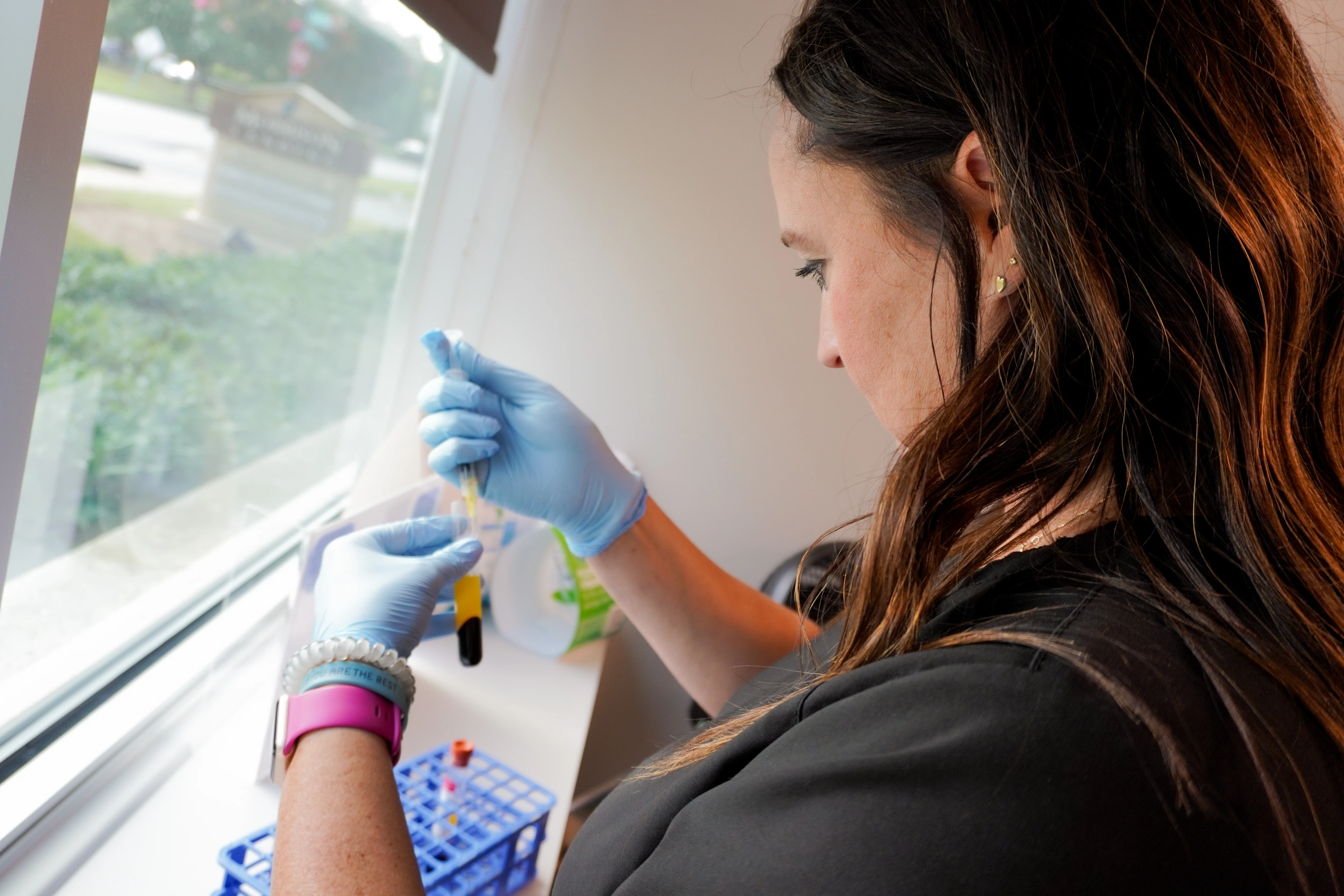
- A small amount of blood is drawn from your arm.
- The blood is placed into a specialized centrifuge.
- The centrifuge separates the blood components.
- The platelet-rich fibrin layer is collected.
- The PRF is placed directly into the treatment area.
Because the material comes from your own blood, PRF is highly biocompatible and carries minimal risk of adverse reaction.
What Is Platelet-Rich Plasma (PRP)?
Platelet-Rich Plasma, or PRP, is another regenerative therapy that concentrates platelets and growth factors from the patient’s blood.
The primary difference is that PRP remains in a liquid form and often requires an anticoagulant during processing. PRP delivers a concentrated burst of growth factors shortly after application, which can help stimulate the early stages of healing.
PRP has been used in medicine and dentistry for many years and continues to be a valuable tool in surgical and regenerative treatments.
PRF vs. PRP: What’s the Difference?
While both treatments harness your body’s natural healing abilities, there are several key distinctions.
PRF
- Contains platelets, white blood cells, growth factors, and cytokines
- Forms a natural fibrin matrix
- No anticoagulants or additives required
- Releases growth factors gradually over time
- Often preferred for bone grafting and oral surgery applications
PRP
- Primarily contains concentrated platelets and growth factors
- Remains in liquid form
- Typically requires an anticoagulant during preparation
- Releases growth factors more rapidly
- Commonly used across various medical and dental procedures
Both therapies can be effective, and your surgeon will determine which option is most appropriate based on your specific treatment needs.
How Are PRF & PRP Used in Oral Surgery?
Regenerative therapies have become increasingly valuable in oral and maxillofacial surgery because they can support healing in a variety of procedures.
At the Rock Hill office, Dr. Wessel may consider regenerative options such as PRF alongside procedures like tooth extractions, bone grafting, dental implants, and other surgeries when additional support for healing is appropriate.
Tooth Extractions
Following an extraction, PRF may be placed directly into the socket to encourage healthy tissue formation and support the body’s natural healing process.
Dr. Wessel explains that after preparing the PRF, it can be combined with an antibiotic and placed into the extraction site:
“We put it in the extraction socket, and it resists infection. Patients seem to really like it. It seems to improve the healing process.”
Some surgeons also use PRF to help reduce the risk of complications such as dry socket after wisdom tooth removal.
Bone Grafting
PRF is frequently mixed with bone graft materials to enhance handling characteristics and support new bone formation. The concentrated growth factors may help create an environment favorable for healing and regeneration.
Dental Implants
When dental implants are placed, PRF or PRP may be used to support soft tissue healing and help optimize the surgical site.
Sinus Lift Procedures
For patients requiring sinus augmentation before implant placement, PRF may be incorporated into the grafting process to help support tissue regeneration and healing.
Corrective Jaw Surgery and Other Surgical Procedures
PRF and PRP can also be used in more complex oral and facial surgical procedures like corrective jaw surgery, where enhanced healing is desired.
Benefits of PRF & PRP
Patients are often interested in regenerative therapies because they utilize the body’s own natural healing potential.
Potential benefits may include:
- Enhanced soft tissue healing
- Support for bone regeneration
- Improved integration of bone grafts
- Reduced postoperative discomfort
- Lower risk of certain complications
- Completely autologous treatment using the patient’s own blood
- Minimal risk of allergic reaction or rejection
Because healing varies from patient to patient, individual results may differ.
Is PRF or PRP Right for You?
Not every procedure requires regenerative therapy, but many patients may benefit from these advanced healing techniques. Factors such as the type of surgery, bone quality, overall health, and treatment goals all influence whether PRF or PRP may be recommended.
During your consultation, your oral surgeon can discuss your treatment options and determine whether regenerative therapies could be beneficial as part of your care plan.
Learn More About Advanced Healing Options
At Carolinas Center for Oral & Facial Surgery, our surgeons are committed to utilizing advanced technology and evidence-based techniques to help patients achieve successful outcomes.
Patients in Rock Hill and surrounding communities can learn more about how Dr. Wessel incorporates advanced healing techniques into oral surgery care at our Rock Hill office.
If you have questions about tooth extractions, dental implants, bone grafting, or regenerative treatments such as PRF and PRP, schedule a consultation with our team at locations across Charlotte, Greenville, Columbia, and Raleigh to learn more about your options.




Related Blogs

Oral Surgery

Oral Surgery
Wisdom Teeth Can Make Other Dental Problems More Complicated
August 21, 2026

Oral Surgery
Why Impacted Wisdom Teeth Shouldn't Be Ignored
April 20, 2026

Oral Surgery